Death Ball Competitive Play
Ranked climbing, Faceoff duels, and the habits that separate consistent winners from early eliminations.
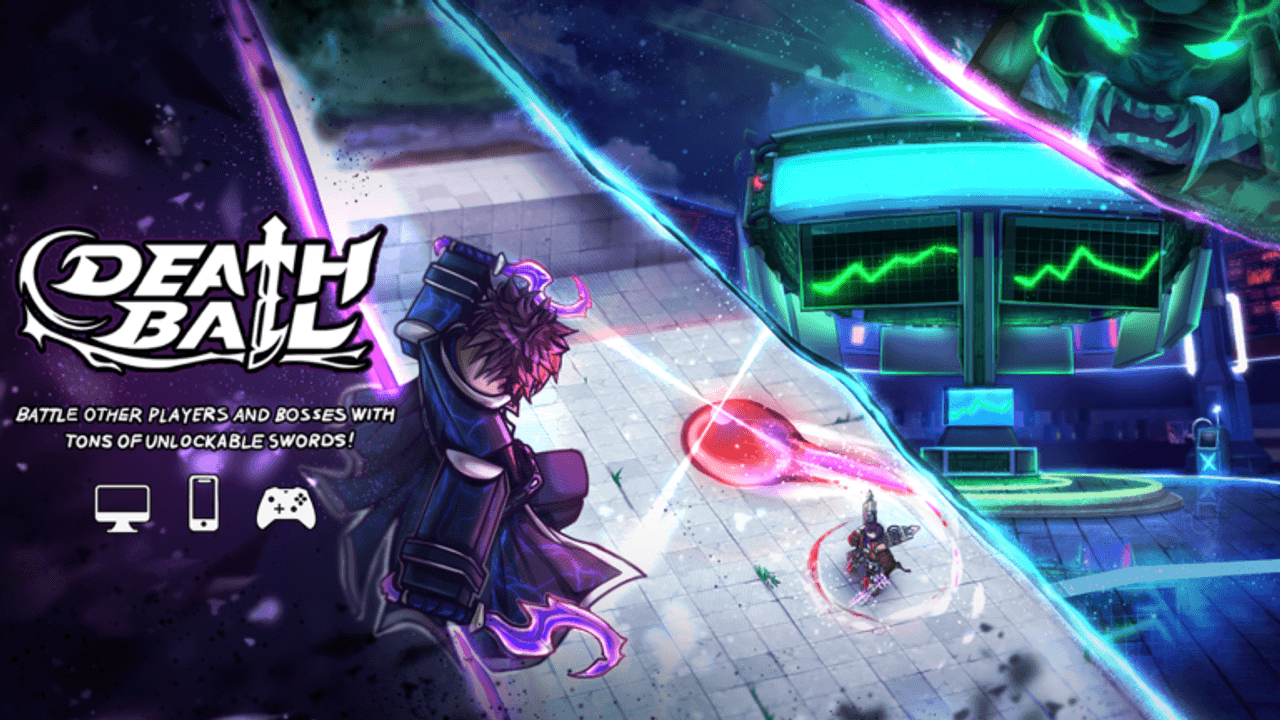
Death Ball is built around player skill expression: deflect timing, curve clashes, ability reads, and nerves in the final one-versus-one. This hub covers competitive angles — how to climb ranked, win Faceoff duels, and build habits that survive patch cycles — without pretending roster choice replaces fundamentals.
Small World Games supports Desktop, Console, Mobile, and Tablet. Input consistency matters as much as champion tier; read Controls for PC, Mobile, and Console before you grind ladder rating on a device you rarely practice on.
Player-focused pages
| Page | What it covers |
|---|---|
| Ranked and Faceoff | Ladder climbing, duel mode rules, aggression timing, and champion synergy |
| Private Servers | VIP admin panel, ball speed, map select, and legit practice plans |
Start with ranked if your goal is rating growth, or private servers if you need structured drills first. Pair either path with How to Win Matches for final-round mind games and How to Deflect for the skill floor every mode shares.
Ranked vs casual mindsets
Casual free-for-all rewards orb awareness in crowded lobbies — tracking ricochets off four players at once. Ranked compresses that chaos into higher stakes exchanges where one missed block ends your streak. Players who only FFA often plateau until they drill spacing and ability cooldown tracking.
Faceoff strips the lobby down to direct duels. Ability mind games, fake deflects, and curve feints matter more when no third player can accidentally save you. Several A-tier champions with blind or decoy tools shine here; see the Champions Tier List for Faceoff-friendly kits.
Champion choice for competitive players
You do not need the flashiest S-tier unlock on day one. Saito and Gazo remain viable while you learn ranked pacing; Kameki and Koju become worth the Crystal investment once deflect consistency is automatic. Compare costs in the Champion Cost Planner and free currency from the Codes Hub.
Meta shifts after seasons — follow Latest Patch Patterns when a new battle-pass fighter or orb banner drops.
Economy and progression
Ranked and events feed Gems, Crystals, Cosmic Orbs, and sometimes Dragon Orbs. Spending without a plan slows your roster growth. Use Gems and Currency for earn paths and the Code Checklist so promo rewards are not left on the table.
Fair play and account safety
Death Ball permanently bans exploiting, farming, and automation — no appeals. Ranked queues historically run tighter enforcement after season transitions. Learn aggression and parry timing through guides, not third-party executors.
Related pages
- Ranked and Faceoff — competitive mode deep dive
- Private Servers — VIP practice and admin settings
- Champions Tier List — roster strength
- Beginner Picks — starters before expensive unlocks
- How to Win Matches — final duel strategy
- Latest Patch Patterns — seasonal ranked changes
- Guides Hub — full mechanic library
Frequently Asked Questions
Quick answers to the most common Death Ball questions.
What is the difference between ranked and Faceoff in Death Ball?
Ranked is the rating ladder where wins and losses move your standing. Faceoff focuses on direct duels with fewer players, emphasizing reads and ability trades over multi-target chaos.
Which champion should I use for ranked?
Use whoever you can deflect consistently with. Beginners often run Saito or Gazo; advanced players target Kameki, Koju, or Keilo after reading the tier list.
Do I need paid champions to climb?
No. Default can win if timing is clean. Champions add tools, but ranked punishes missed blocks more than missing a tier-S unlock.
Can scripts help me rank up faster?
No. Exploiting leads to permanent bans with no appeals, especially risky in ranked. Practice deflect and curve guides instead.
Where do codes fit into competitive play?
Codes grant Gems and Crystals that unlock stronger champions faster. Redeem via the Code Checklist before spending Robux on Crystals.